vinkodex.
Engine code

M278DE46AL engine faults.

The listing only gives the engine code.

petrol

fuel

4663 cc

displacement

320–335 kW (435–455 HP)

power

3 fault write-ups. All are important.

Before you buy

Known faults

3 important faults

critical1

The solenoid of the camshaft adjuster is sealed from the factory by nothing more than a plain sealing ring, and over time that starts to leak. The maker's own bulletin names two places: if the leak is between the solenoid and the cylinder head, the sealing ring has to be replaced, and if it comes through the electrical connector, then the solenoid itself.

Show the rest

The more serious trouble is at the connector. Through it the engine oil gets into the engine wiring harness and travels under the insulation by capillary action, so it reaches the engine control unit and other important parts as well. The loss of the control unit is the end of that road, and serious engine damage can follow; alongside the contaminated harness the most varied fault messages can appear. Cases have been reported where the oil ran out of the connector, and the consequential damage after that was already large.

The check is simple: the connector of the solenoid has to be taken off and looked at to see whether it is oily. In the fault memory a faulty solenoid gives one of the codes 0059, 0060, 0063, 0064, 0271, 0272, 0275 and 0276. One thing is worth knowing: according to the maker only the solenoid that has a corresponding code has to be replaced, so if a workshop has changed all four of them alongside two codes, that is worth asking about.

The engine number decides what is in the car. Above engine number 2729..30 759427 (M272) and 2739..30 193592 (M273) the maker already fitted the improved solenoid, under part number A272 051 01 77. The oil-leaking solenoid is a problem on engine numbers below 2729..30 895140 and 2739..30 236360.

The prevention is the oil stop cable, which has to be fitted between the solenoid and the harness: the two wires contain a sealed copper sleeve covered with heat-shrink tubing, and that stops the oil from travelling further. It is available from the factory and is not expensive: the two solenoids were around 33 euros and the two oil stop cables around 31 euros, while replacing the control unit is a four-figure sum.

between 90,000 and 130,000 kmfrom 31 EUR

What to check

  • Ask whether an oil stop cable has been fitted between the camshaft solenoids and the harness
  • Ask for a check: taking the connector off the solenoid shows whether it is oily
  • Read the fault memory and look for codes 0059, 0060, 0063, 0064, 0271, 0272, 0275 and 0276
3 more steps in the write-up

expensive2

The check valve is missing from the oil supply of the timing chain tensioner. With the engine stopped the oil drains out of the passage, so at start-up the tensioner does not get pressure straight away, and over time that wears it out. On early production examples it appears from as little as 60 000 kilometres.

Show the rest

The tensioner does not hold the chain, the chain goes slack and the valve timing shifts. The symptom is a metallic rattle audible at a cold start which quietens after a few seconds. If the chain jumps, the valves and the pistons meet.

The same noise is also produced by a failure of the camshaft adjuster, and there the fault code gives the direction: P001685, P001785, P001177 and P001885 belong to it.

The repair is not an engine strip. The tensioner can be reached after the charge air cooler and the front cover have been removed, and from there two screws hold it. The prevention is fitting the check valve into the oil supply.

above 60,000 km

What to check

  • Start it cold and listen to the first seconds: a metallic rattle points here
  • Watch whether the noise quietens after a few seconds: that is typical of the tensioner
  • Have the fault codes read and look for codes P001685, P001785, P001177 and P001885
1 more steps in the write-up

The cylinder wall is formed by a Silitec liner: an aluminium-silicon alloy which the maker cast into the aluminium cylinder in order to reduce friction, heat and wear. This material, however, could not cope with the high temperature and the occasional detonation of this engine.

Show the rest

On a damaged liner the cylinder wall becomes scored, and from then on the piston ring no longer seals: oil consumption rises and compression falls. The same material also wore the valve guides seriously. The maker finally switched to the Nanoslide coating, precisely because of Silitec's cylinder scoring problems.

It is not the mileage that marks out the affected cars but the engine number. Into engines above 2789xx 30 266191 the maker already fitted cast-in iron liners, which means that from there on this failure mode does not exist. It is reported on examples with an engine number below that, typically above 120 000 kilometres.

The symptom is blue smoke, rising oil consumption and uneven running. The repair is machining or replacing the block, which makes this the most expensive failure on this engine.

above 120,000 km

What to check

  • Check the engine number: engines above 2789xx 30 266191 already have iron liners
  • Ask how much oil has to be topped up between changes
  • Watch the exhaust when the revs are blipped: blue smoke means oil burning
2 more steps in the write-up

Engine code

Factory data

Factory data

Engine family
—
Fuel
petrol
Displacement
4663 cc
Power
320–335 kW (435–455 HP)
Production
—

Generations

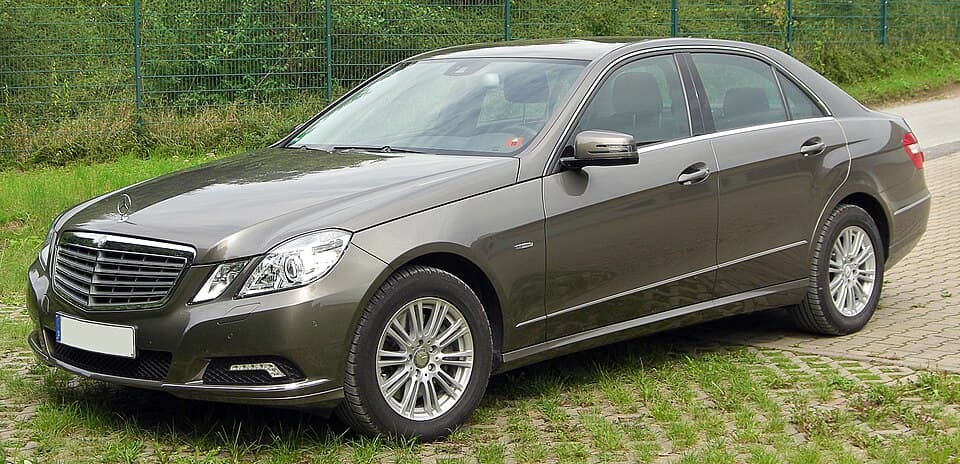
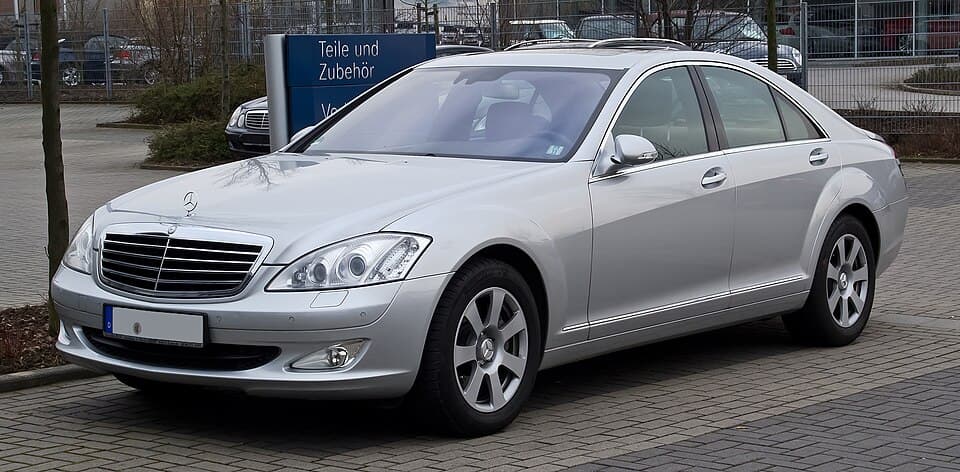
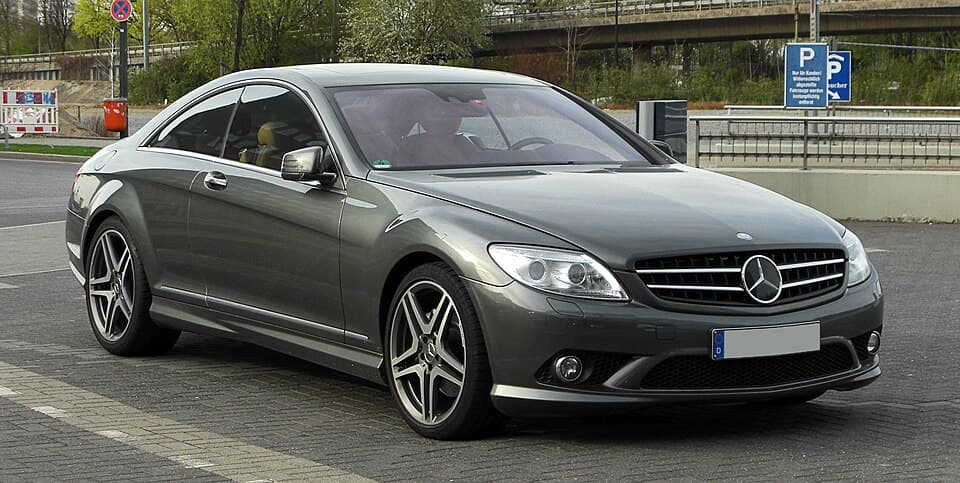
Which models it is fitted to

10 generations.

Information, not an expert opinion

We write the descriptions, and we put the source next to them. A person reviews them before they go out. They are still information, not a technical expert opinion.

  • A fault on the list does not mean the car you are looking at has it.
  • A fault missing from the list does not mean the model is fault-free. Write-ups are made model by model. Not all of them are done.
  • You decide whether to buy. This is no substitute for an inspection. That needs a workshop and a history check.
Details in the terms