 vinkodex.
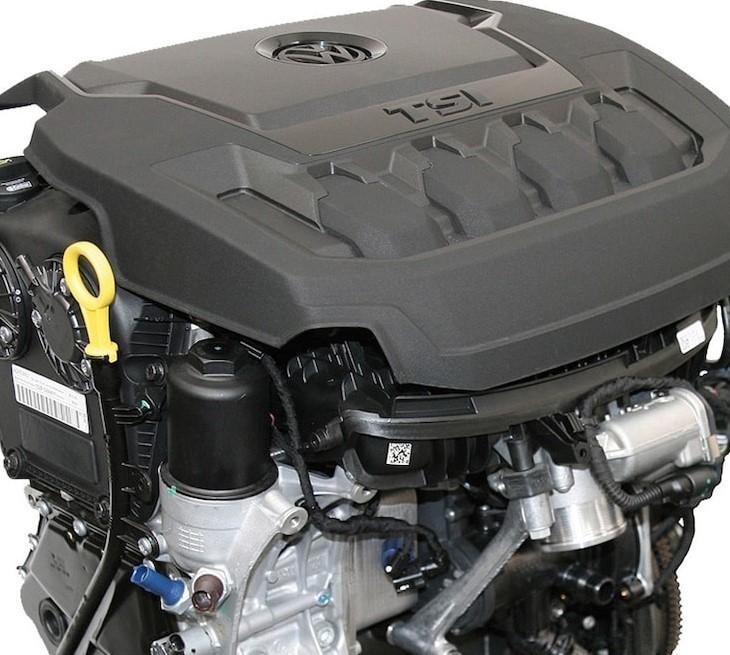
2.0 TSI (EA888): oil consumption, piston rings
It does not show up on every car. Check before you buy.
expensive
severity
not available
mileage
2
sources
2 sources next to the write-up.
The fault
How you spot it
The tension of the piston rings is too low, so oil gets into the combustion chamber. Owners report half a litre to a litre of consumption every 1,000 to 2,000 km. The consequence is a chain: sooty deposits, a sticking crankcase ventilation, raised internal pressure, then gasket and seal leaks. In March 2026 a class action was filed in the USA over this for the 2018 and later model years.
Which model
Who it affects
The card opens the generation, the engine or the transmission.
Engines and transmissions
Engine
DLBA
Engine page
A kereset a 2018-as és újabb évjáratokat nevesíti.
Engine
DKTB
Engine
DNUC
Engine
DNUE
Engine
DNPA
Engine
DRNA
vinkodex.Checklist
2.0 TSI (EA888): oil consumption, piston rings
What you would check for this fault. Take it to the car.
Before you buy
Checklist
What you tick stays on this device only.
Sources
How we know
 CarComplaints.comVW 2.0-Liter TSI Engine Problems Cause Class Action LawsuitAn Audi and Volkswagen class action lawsuit alleges these vehicles are defective because they are equipped with 2.0-liter TSI engines.
 AutoblogVW and Audi’s 2.0L Turbo Engine Hit With U.S. Lawsuit Over Oil ConsumptionThe four-cylinder EA888 engine in certain VW and Audi models is blamed for high oil consumption and defective piston rings.
Information, not an expert opinion
We write the descriptions, and we put the source next to them. A person reviews them before they go out. They are still information, not a technical expert opinion.
- A fault on the list does not mean the car you are looking at has it.
- A fault missing from the list does not mean the model is fault-free. Write-ups are made model by model. Not all of them are done.
- You decide whether to buy. This is no substitute for an inspection. That needs a workshop and a history check.