vinkodex.
Engine code

CAKA engine faults.

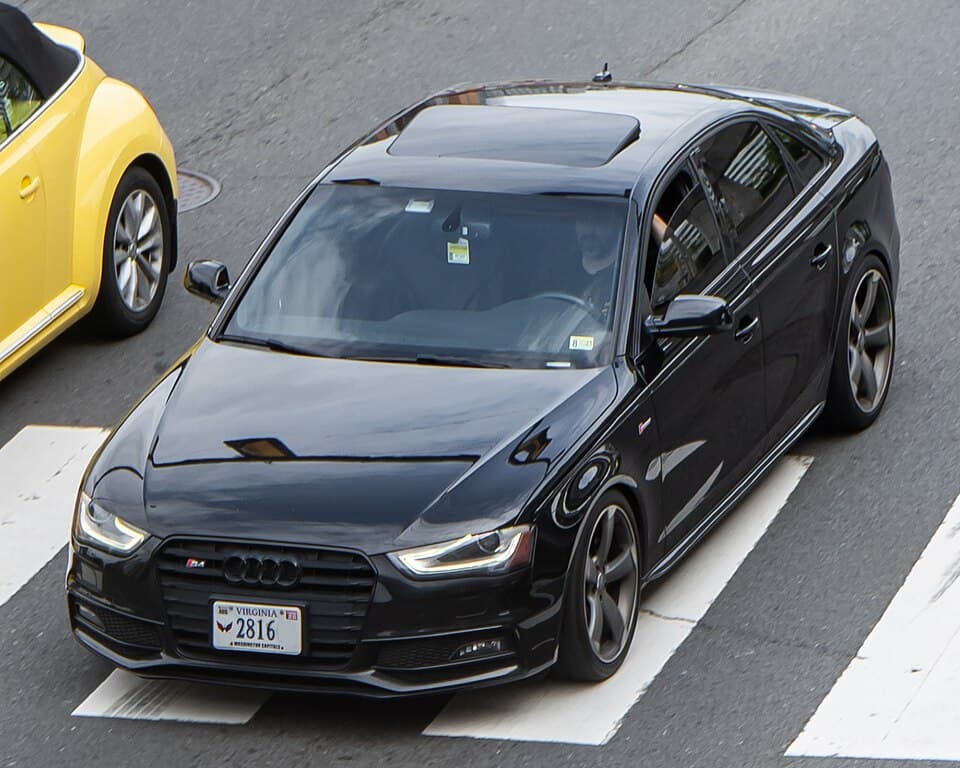
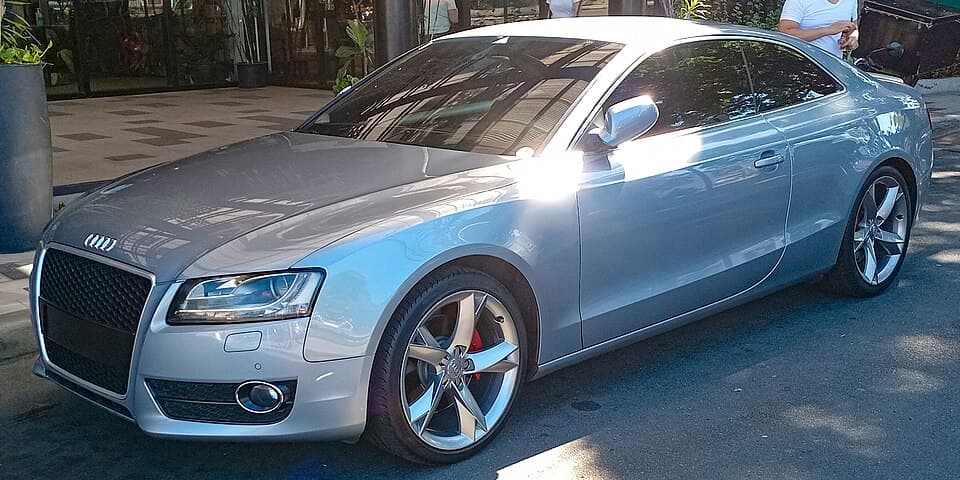
Listed as: 3.0 TFSI (S4), 3.0 TFSI (S5). The faults belong to this engine code. They do not apply to every car with that name.

petrol

fuel

2995 cc

displacement

245 kW (333 HP)

power

3 fault write-ups. 2 important.

Before you buy

Known faults

2 important faults

expensive2

The membrane of the crankcase breather regulates how much suction there is inside the engine. If the membrane tears, an unregulated connection opens between the crankcase and the intake, and oil vapour starts towards the intake from there. This gives oil consumption, a whistling noise under load, and mixture fault codes from unmetered air. The oil reaching the intake speeds up the carbon build-up on the intake valves, which is already heavy on this engine, because the first and second generation are pure direct injection, so no fuel washes the intake port. The tear is reported between 60,000 and 80,000 km, and the repair is replacing the breather module or the cam cover with an adaptation afterwards, between 80 and 400 euro. On the first generation (CGWB and CAKA, between 2008 and 2011) the breather works with low suction, so a noticeable suction at the oil filler with the engine running is normal. From the second generation the system deliberately gives more suction, with a different part. The oil cap test on its own therefore does not decide whether the breather is faulty, and this is where unnecessary part replacement usually comes from. In March 2013 Audi issued a service bulletin on the oil consumption of the supercharged 3.0 TFSI (17-13-37) and named the 2009 to 2012 A6 and A7, the 2011 to 2012 Q7, and the 2010 to 2012 A4 and S4.

between 60,000 and 80,000 km80–400 EUR

What to check

  • Ask for the engine code from the papers, because the breather differs by generation
  • Under load listen for the whistling noise from the engine bay
  • Read the fault memory and look for mixture fault codes pointing to unmetered air
2 more steps in the write-up

With direct injection the fuel does not wash the intake valves: the petrol goes into the cylinder, not behind the valve. The oil mist and soot arriving through the EGR and the crankcase ventilation therefore build up on the valve stem and head, and from 80,000 to 100,000 km they restrict the flow. Symptoms are hesitation, loss of power, a rough cold start and misfire. It is not a part failure: it is a consequence of the design, and therefore it comes back. Cleaning (walnut or dry ice blasting) helps for a few tens of thousands of kilometres.

What to check

  • After a cold start watch the idle: rough running and shaking point to coked valves
  • Under load at low revs watch for hesitation
  • With a code reader look for per cylinder misfire (P0300 to P0304)
1 more steps in the write-up

comfort1

The G62 sensor tells the engine control unit how hot the coolant is. If it is faulty, the control unit thinks a warm engine is cold, and runs it rich: hard warm or cold starting, a rough idle, markedly increased fuel consumption, and a dash temperature gauge that jumps around or never reaches its usual reading. The part is cheap and can be replaced in half an hour: the trouble is that many people do not recognise it and replace an injector or a lambda sensor instead. If the fault persists, the rich mixture can destroy the catalytic converter too.

What to check

  • Warm it up and watch the dash temperature gauge: the needle should sit steadily at the middle reading, not jump around
  • Watch a cold start, then a warm start after twenty minutes standing
  • With a code reader look for the 17664 / P1256 code in the engine control unit
2 more steps in the write-up

Engine code

Factory data

Factory data

Engine family
—
Fuel
petrol
Displacement
2995 cc
Power
245 kW (333 HP)
Production
—

Generations

Which models it is fitted to

5 generations.

Information, not an expert opinion

We write the descriptions, and we put the source next to them. A person reviews them before they go out. They are still information, not a technical expert opinion.

  • A fault on the list does not mean the car you are looking at has it.
  • A fault missing from the list does not mean the model is fault-free. Write-ups are made model by model. Not all of them are done.
  • You decide whether to buy. This is no substitute for an inspection. That needs a workshop and a history check.
Details in the terms